













facades

Why a Joined-Up Approach to Façade Design is Essential for Building Safety

Submitted by Kate on
paragraphs
Façade

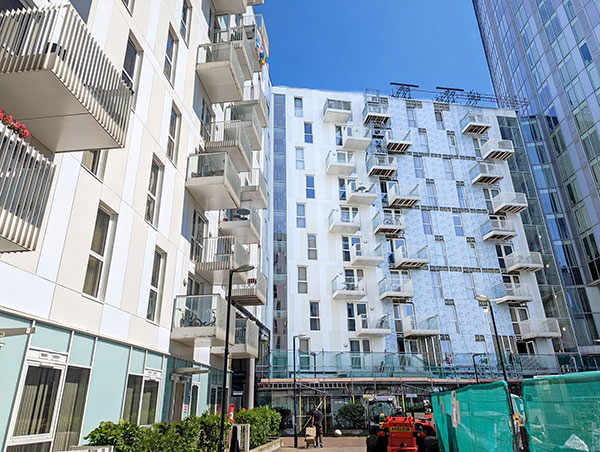
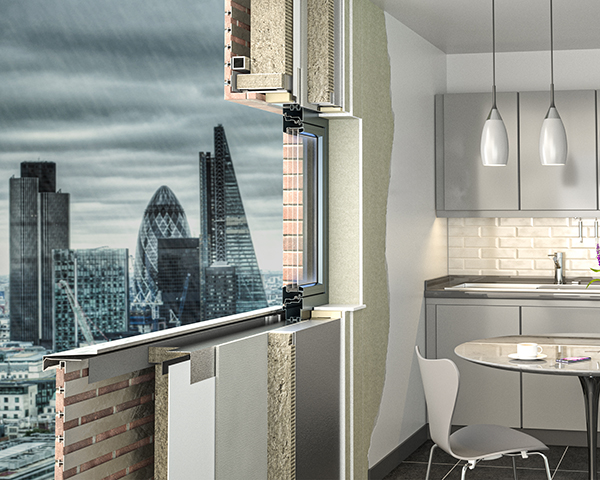
In today’s regulatory environment, façade design demands more than compliance - it demands certainty, particularly for building owners and housing providers responsible and accountable for resident safety.

As a manufacturer of classified A1, high-performance cladding systems, Valcan recognises that façade safety cannot be achieved through individual products alone. It requires a fully integrated, system-led approach, where every design is reviewed holistically as a system to ensure compatibility. 

Façade Renewal in South London Residential Housing

Submitted by Kate on
paragraphs
Façade

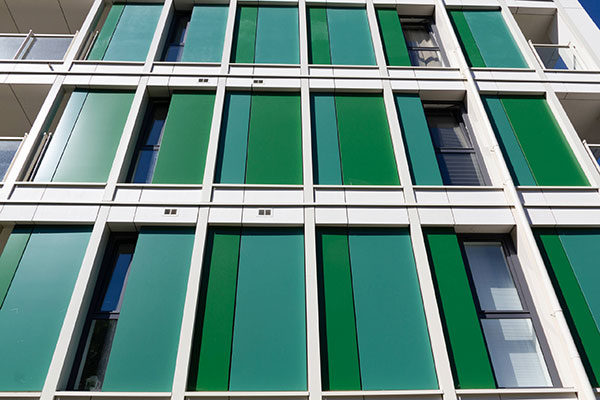
Located in Camberwell, South London, this residential refurbishment project focused on upgrading the building façade to support longterm performance, durability and visual renewal. As part of a wider external improvements programme, façade materials were carefully selected to meet modern expectations around safety, longevity and architectural quality, while remaining appropriate to the surrounding urban context.

A Fibre Cement Façade for a new, accessible and sustainable housing development

Submitted by Kate on
paragraphs
cement façade

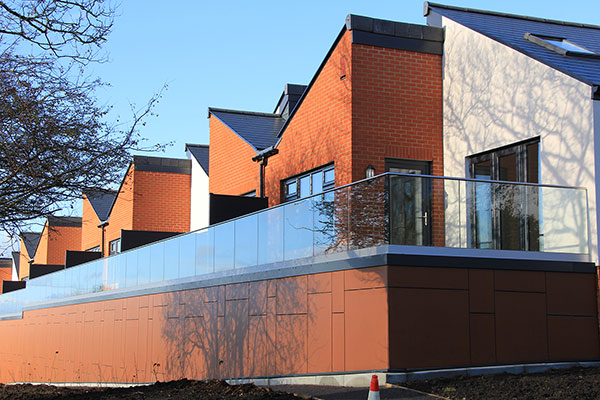
The Ventnor Close development is a flagship initiative within Swindon Borough Council’s strategy to provide high-quality, fully accessible homes for residents with complex physical needs. Beyond meeting essential accessibility criteria - such as wheelchair accessible layouts and adapted wet rooms - the design mandated modern building materials that guarantee longevity, high performance, and exceptional safety standards.

Complete Rainscreen Cladding Systems – all from one trusted source

Submitted by Kate on
paragraphs
cladding

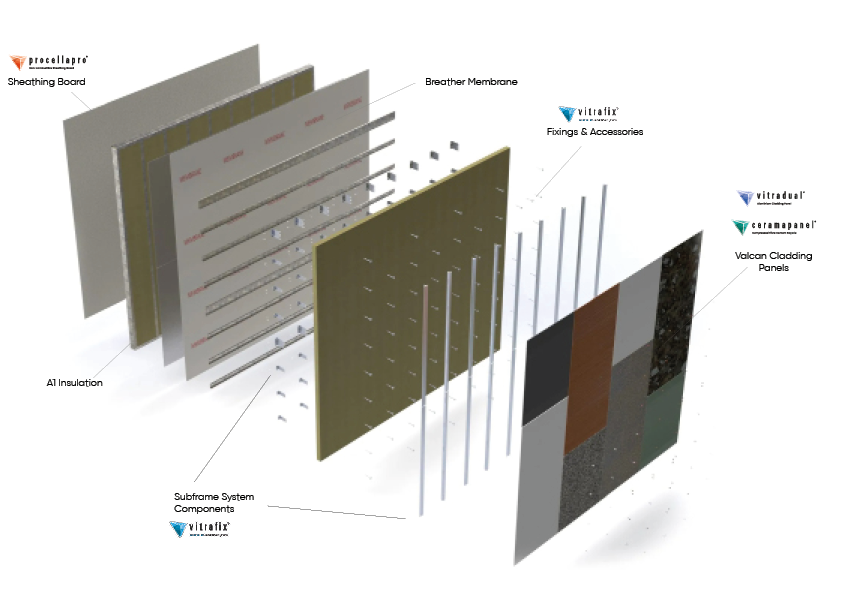
Valcan’s all-in-one cladding systems offer a fully integrated, non-combustible façade solution that simplifies specification, enhances safety, and ensures long-term durability. Ideal for both new builds and recladding projects, these systems streamline the entire process by providing all essential components from a single, reliable supplier.

EJOT CROSSFIX® helps shape the future of sustainable housing

Submitted by Kate on
paragraphs

The construction of two apartment buildings within the ground-breaking Climate Innovation District urban regeneration project in Leeds demonstrates how the EJOT CROSSFIX® system can be used to incorporate rainscreen facades into highly sustainable buildings, without the need to vastly increase insulation depth. 
Developed by Citu in partnership with one of Scandinavia’s leading architectural practices, White Arkitekter, and civil and structural engineers Civic, the Climate Innovation District is creating an entire new sustainable neighbourhood with high quality urban housing. Over 500 low energy homes with integrated amenities have been created to a design that has been PHPP (Passive House Planning Package) assessed.

Timeless & Trusted Classics

Submitted by Kate on
paragraphs
bricks

For those seeking to elevate their architectural projects with a touch of refined elegance, the core Blockleys clay brick portfolio offers a range of solutions. Known for their exceptional quality and reliable production, Blockleys provides a range of premium clay bricks that seamlessly blend aesthetic appeal with durability. Whether for a residential development, educational space or a commercial building, Blockleys bricks deliver both sophistication and performance.

With a suite of sleek, understated shades of grey and black, these bricks lend a refined, modern edge to any façade. Muted greys, such as Bowland Grey and Sterling Grey, along with the deep blacks, including Black Smooth and Kelham Black, create a striking visual impact without overwhelming your designs. For those looking to add a more personalised touch, the Blockleys Synthesis blend allows for the introduction of complementary tones, adding depth and unique texture to the overall appearance.

The OBEX Mission

Submitted by Kate on
paragraphs
Building Safety

Since the Building Safety Act came into force in October 2023, the construction industry has seen significant changes across all levels, from the way buildings are designed and constructed, to the types of materials that are used, and even how they are installed.

As is well known, a critical aspect of this is the ability of a material to resist the spread of fire and yet still perform its primary function.  This is particularly important when considering the membranes that are used for sealing around windows and façades.

Categories