













refurbishment

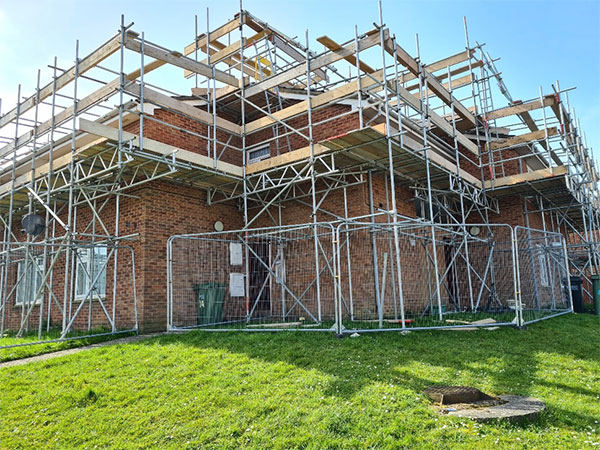
External AIB Soffit Removal Programme for Stroud District Council

Submitted by Kate on
paragraphs
soffit removal

As part of Stroud District Council’s maintenance programme, we safely removed asbestos insulating board (AIB) soffits from eight residential blocks comprising a mix of two and three-storey flats and houses. The project formed a key part of a wider refurbishment programme, enabling the Council’s framework contractor to replace the roofline systems immediately after the asbestos removal works.

Success relied on detailed planning, effective communication and close collaboration between all contractors. Our objective was to complete the works safely, efficiently and on programme while minimising disruption to residents and allowing follow-on trades to begin without delay.

Categories
Social landlords urged to invest in technology that helps cut tenants' energy bills

Submitted by Kate on
paragraphs
energy bills

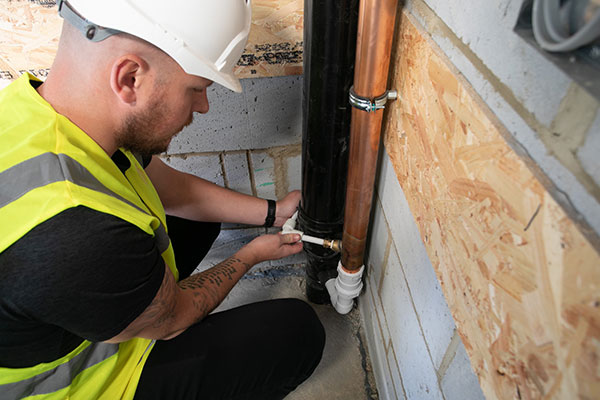
Housing associations and local authorities are being encouraged to consider shower waste water heat recovery (WWHR) as part of their long-term planned maintenance and retrofit programmes, with the technology offering a simple, low-maintenance way to help tenants reduce energy bills while improving the efficiency of existing housing stock.

Categories

Robinson House Care Home receives a fresh new look as part of refurbishment project

Submitted by Kate on
paragraphs
refurbishment

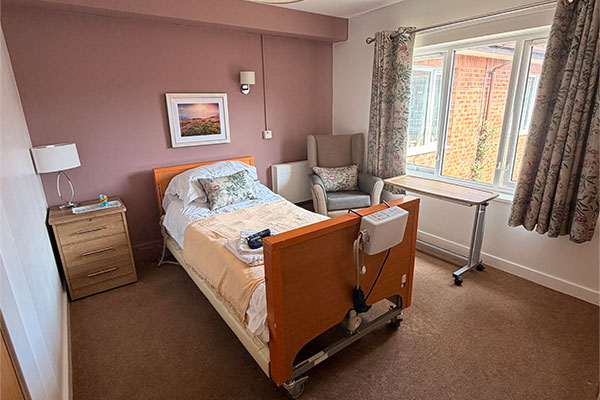
Robinson House Care Home is being newly decorated as part of an ongoing focus on improving our care homes, to create spaces that really feel like home for residents. 

The refurbishment project has seen the redecorating of all 70 bedrooms in the home, with new carpets and furniture, and new front doors for every room. Each house has a unique colour scheme, complete with patterned soft furnishings that are designed to create a comfortable and homely environment. 

Categories

Classified A1 Aluminium Cladding Solution

Submitted by Kate on
paragraphs
cladding

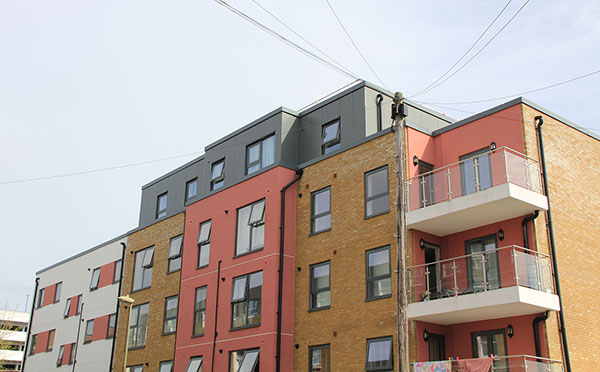
The Birchett Road project in Aldershot involved the recladding of an existing building, delivering a high-performance, non-combustible aluminium cladding solution to upgrade fire safety, durability, and longterm façade performance. Situated within a prominent town centre location, the scheme required an external wall solution that would meet current regulatory expectations while also improving the visual coherence and consistency of the building elevations.

As with many refurbishment projects, the replacement of the existing external materials presented an opportunity not only to enhance aesthetics, but also to significantly improve the safety and resilience of the building envelope. The recladding strategy was therefore driven by a requirement for a compliant, robust and low-maintenance system capable of delivering demonstrable improvements in reaction to fire performance and longterm durability.

Changes in Professional Indemnity and what it means for Building Design Risk

Submitted by Kate on
paragraphs
building design

From July this year, the closure of Wren Insurance Association marks a pivotal shift in how professional indemnity (PI) risk is managed across the construction sector. While the immediate impact falls on architects, the implications extend well beyond design practices affecting contractors, developers and the wider supply chain at a time when building safety and compliance remain under intense scrutiny.

Valcan, manufacturer of cladding systems, works with project teams navigating façade design, fire performance and regulatory change. In collaboration with Consort Insurance, and drawing on insight from Daniel White, we’ve explored what Wren’s closure means in practice, why it matters now, and how firms can respond more resiliently.

The perfect cover-up for exposed pipework

Submitted by Kate on
paragraphs
pipework

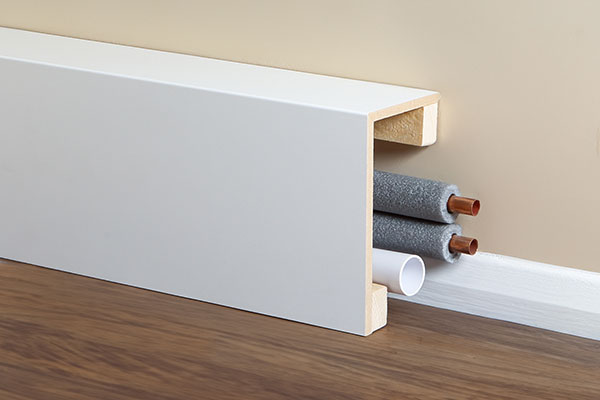
The pipe boxing range from UK Boxings provides a wide choice of simple, practical and economic solutions for concealing, heating system, boiler, and fire sprinkler pipework while also helping save money on site by reducing installation times.

Fire Performance of VitraDual at Ferrier Point, London

Submitted by Kate on
paragraphs
fire performance

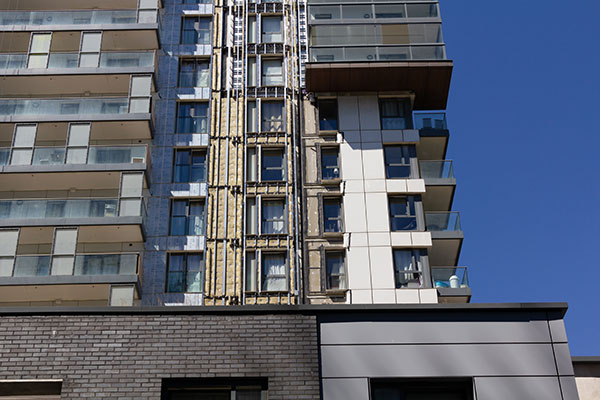
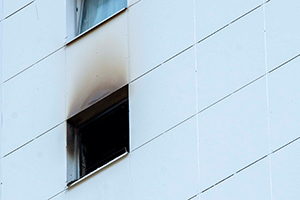
Ferrier Point, a 23 storey residential tower block in Newham, East London, became the focus of national attention during the cladding crisis after investigations revealed that its exterior was fitted with aluminium composite material (ACM) cladding, the same hazardous type implicated in the rapid fire spread at Grenfell Tower. In response, Newham Council undertook a full recladding programme, and by 2019 the building had been completely stripped of its ACM façade and upgraded with VitraDual® - an A1, noncombustible precoated aluminium rainscreen cladding system from Valcan.