















external works

External AIB Soffit Removal Programme for Stroud District Council

Submitted by Kate on
paragraphs
soffit removal

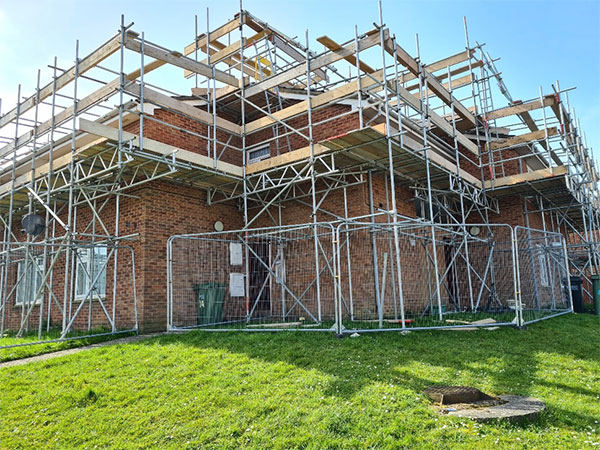
As part of Stroud District Council’s maintenance programme, we safely removed asbestos insulating board (AIB) soffits from eight residential blocks comprising a mix of two and three-storey flats and houses. The project formed a key part of a wider refurbishment programme, enabling the Council’s framework contractor to replace the roofline systems immediately after the asbestos removal works.

Success relied on detailed planning, effective communication and close collaboration between all contractors. Our objective was to complete the works safely, efficiently and on programme while minimising disruption to residents and allowing follow-on trades to begin without delay.

Categories
Metal-web or I-Joists - what are the considerations?

Submitted by Kate on
paragraphs
I-joists

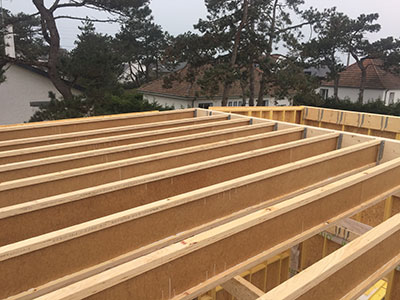
Metal-web and I-Joists are two popular choices for new builds and both play an important structural role in buildings – supporting floors and roofs to transfer their weight evenly to the walls and beams below.

Metal-web and I-Joists are engineered joists that offer greater span lengths, improved strength and rigidity and more consistent quality when compared to their solid timber counterparts.

When deciding which joist type may be most appropriate for your project, the starting point is that each must deliver the required structural performance.

Building for water security

Submitted by Kate on
paragraphs
water

Following the dry summer of 2025, the Environment Agency has warned that even with average winter rainfall some areas in Britain will still be in drought next spring. 

The recent weather pattern variations can only compound the existing concerns about the anticipated UK water deficit. To offset the predicted daily deficit of 4017 mega litres per day by 2050, major water companies have been developing plans to upgrade the UKs water supply and reduce current usage from 150 litres per person per day to 110. 

Supplying knowledge to make a skills difference

Submitted by Kate on
paragraphs
roofing

Housing associations can strengthen their supply chain by partnering with roof system manufacturers who go further.

The provision of proven product systems, a wide-ranging product portfolio and accessible technical support are roof manufacturing ‘must haves’. It helps the housing association sector balance cost, efficiency and sustainability considerations when it comes to developing low carbon, energy efficient homes for tenants.

Imparting best practice specification, encouraging design skills and sharing essential product knowledge so the next generation of professionals deliver well designed, warm and sustainable future homes for the housing association sector, highlights the importance of manufacturers taking a wider view.

Funding for a better future

Submitted by Kate on
paragraphs
funding

Access to local investment funding has enabled Cornwall based housing providers to access financial and sustainability benefits, leading to the use of Marley’s full roof system with integrated solar panels.

Charitable social housing provider, Coastline Housing, based in Redruth, Cornwall, is committed to tackling ongoing housing challenges for the local population. 

Valcan reclads Southampton residential block

Submitted by Kate on
paragraphs
reclad

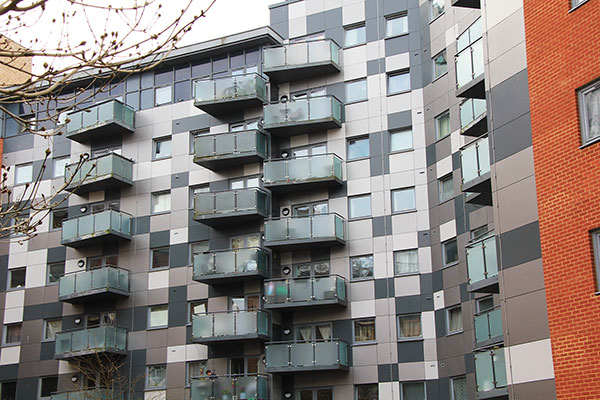
Empire View and Gantry Court are nine-storey residential blocks close to the centre of Southampton. Due to fire safety concerns, in 2021 works began to replace the existing bricks works, replacing with a rainscreen cladding system.

Affordable SuDS solutions for residential developments

Submitted by Kate on
paragraphs
SuDS

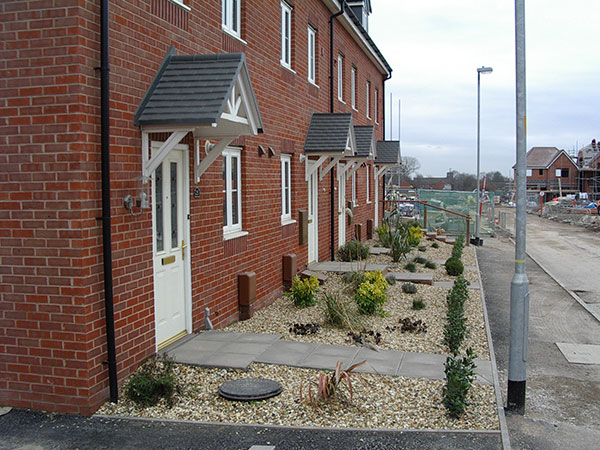
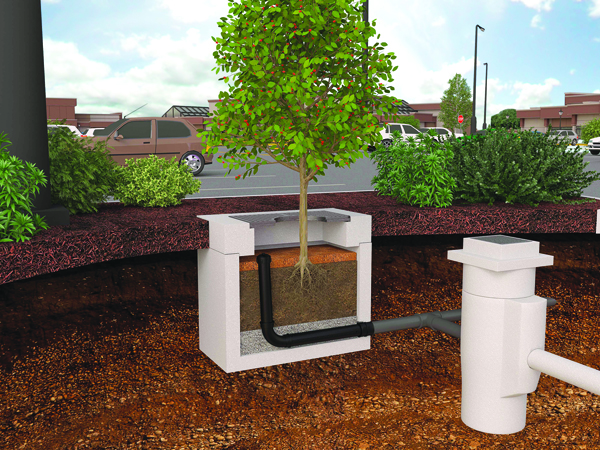
One of the greatest modern challenges for housing developers is the sustainable management of surface water runoff, with more than 3.2 million properties at risk of flooding in England1.

The social and economic costs of flooding are high, and the Association of British Insurers believes that annual losses could reach £1.4 billion by 2040 – much of which is attributed to urban flooding. The surface water management action plan, standardised by Local Government, outlines key principles for residential designers and developers to comply with, to ensure sustainable drainage systems (SuDS) are
in place.

Categories