










external walls

How to insulate solid walls so they are breathable and keep original features

Submitted by Kate on
paragraphs
solid walls

“Did I make a mistake? Did I mess up this old building?”

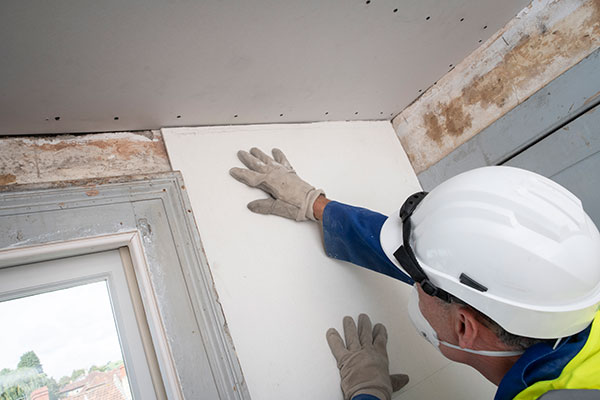
These are the questions architect Níall Hedderman posed on his Youtube channel, Real Life Architecture, about an internal wall insulation specification for one of his projects. His search for answers led him on a journey through retrofit best practice to learning more about an insulation material that he describes as “supernatural” in terms of its performance properties.

It led to Níall and Proctor Group working together to explain how aerogel insulation can help to improve the energy efficiency of traditional buildings without covering up historic features, or taking up too much internal space.

Building with Transparency: Why EPDs Are Reshaping Sustainable Construction

Submitted by Kate on
paragraphs
construction

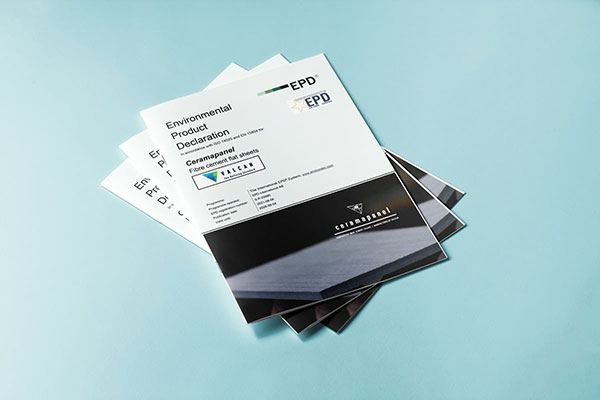
As the built environment faces increasing scrutiny over its environmental impact, one tool is becoming indispensable - the Environmental Product Declaration (EPD). But what exactly is it, and why does it matter?

For too long, material choices have relied on claims rather than comparable, verified data. EPDs are helping to change that.

Why a Joined-Up Approach to Façade Design is Essential for Building Safety

Submitted by Kate on
paragraphs
Façade

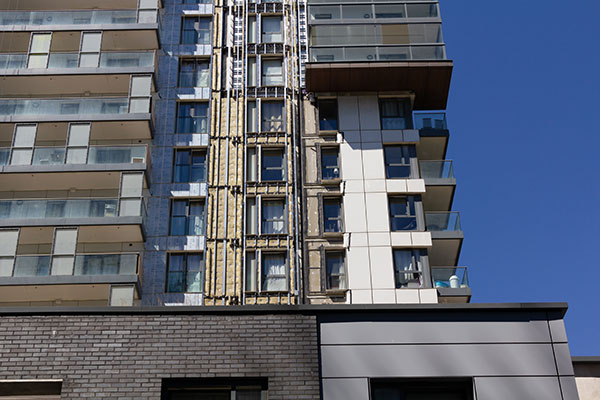
In today’s regulatory environment, façade design demands more than compliance - it demands certainty, particularly for building owners and housing providers responsible and accountable for resident safety.

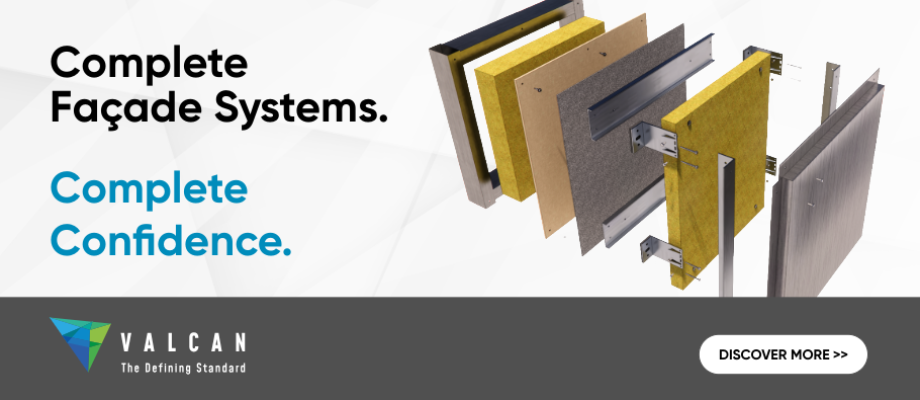
As a manufacturer of classified A1, high-performance cladding systems, Valcan recognises that façade safety cannot be achieved through individual products alone. It requires a fully integrated, system-led approach, where every design is reviewed holistically as a system to ensure compatibility. 

Classified A1 Aluminium Cladding Solution

Submitted by Kate on
paragraphs
cladding

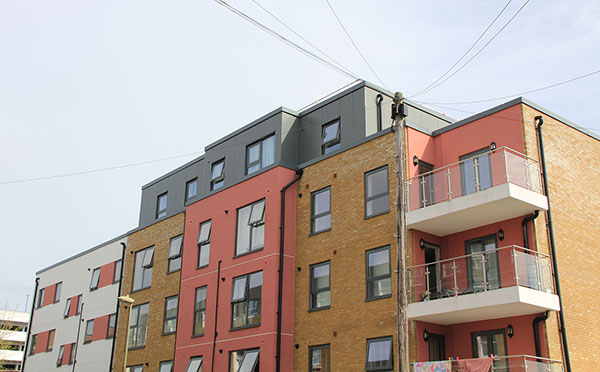
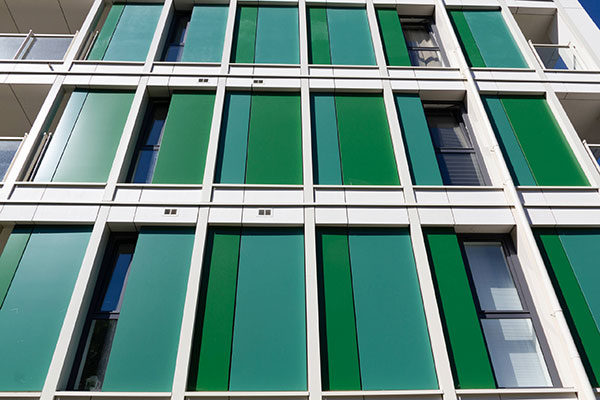
The Birchett Road project in Aldershot involved the recladding of an existing building, delivering a high-performance, non-combustible aluminium cladding solution to upgrade fire safety, durability, and longterm façade performance. Situated within a prominent town centre location, the scheme required an external wall solution that would meet current regulatory expectations while also improving the visual coherence and consistency of the building elevations.

As with many refurbishment projects, the replacement of the existing external materials presented an opportunity not only to enhance aesthetics, but also to significantly improve the safety and resilience of the building envelope. The recladding strategy was therefore driven by a requirement for a compliant, robust and low-maintenance system capable of delivering demonstrable improvements in reaction to fire performance and longterm durability.

Changes in Professional Indemnity and what it means for Building Design Risk

Submitted by Kate on
paragraphs
building design

From July this year, the closure of Wren Insurance Association marks a pivotal shift in how professional indemnity (PI) risk is managed across the construction sector. While the immediate impact falls on architects, the implications extend well beyond design practices affecting contractors, developers and the wider supply chain at a time when building safety and compliance remain under intense scrutiny.

Valcan, manufacturer of cladding systems, works with project teams navigating façade design, fire performance and regulatory change. In collaboration with Consort Insurance, and drawing on insight from Daniel White, we’ve explored what Wren’s closure means in practice, why it matters now, and how firms can respond more resiliently.

Façade Renewal in South London Residential Housing

Submitted by Kate on
paragraphs
Façade

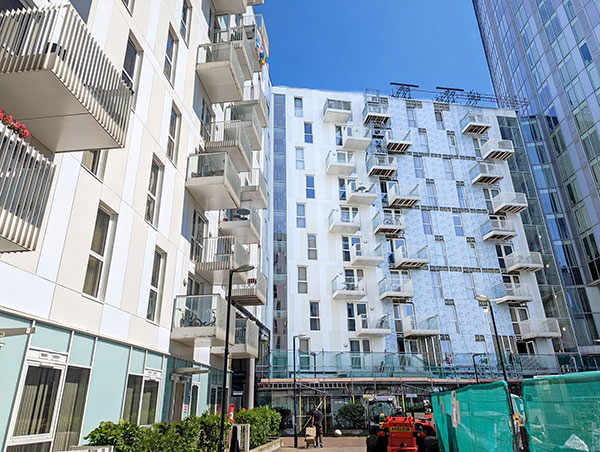
Located in Camberwell, South London, this residential refurbishment project focused on upgrading the building façade to support longterm performance, durability and visual renewal. As part of a wider external improvements programme, façade materials were carefully selected to meet modern expectations around safety, longevity and architectural quality, while remaining appropriate to the surrounding urban context.

Impact Testing and Category II Certification: Demonstrating Real‑World Performance with Ceramapanel®

Submitted by Kate on
paragraphs
impact testing

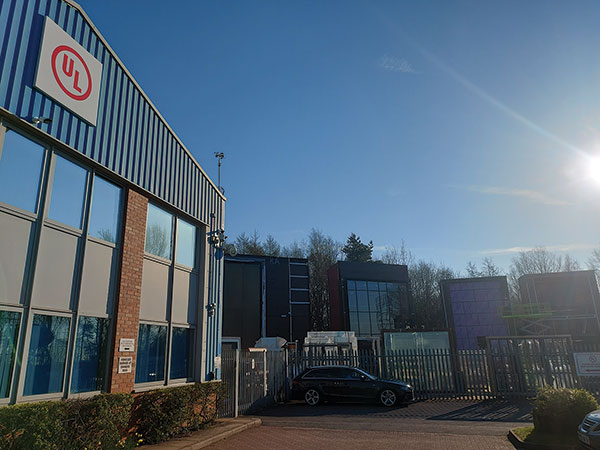
Selecting the right rainscreen cladding for housing, public buildings, schools and regeneration projects has never been more important. With rising expectations around safety, durability and longterm performance, specifiers and local authorities need confidence that façade materials will stand up to real world use.

One of the most effective ways to demonstrate this confidence is through impact testing, which assesses how a cladding system behaves when subjected to sudden force under realistic installation conditions.